Pitshanger Lane upholstery cleaning guide Ealing
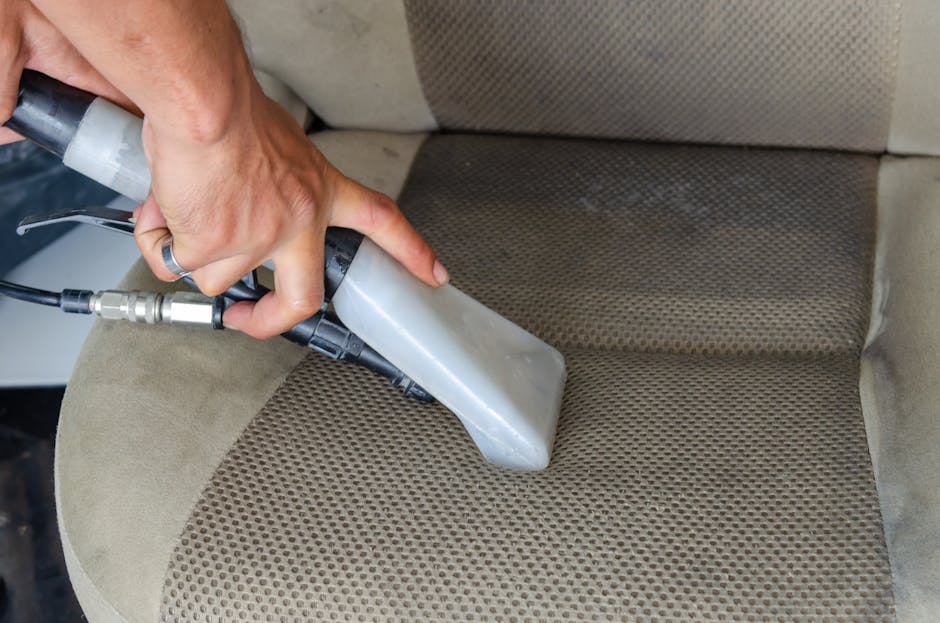
If you live or work near Pitshanger Lane, upholstery can take a beating without ever looking obviously dirty at first. A sofa cushions up the mess, a dining chair quietly absorbs daily use, and by the time the fabric looks tired, the build-up is often deeper than it seems. This Pitshanger Lane upholstery cleaning guide Ealing explains what actually works, what to avoid, and how to choose the right approach for your furniture, your fabric, and your home.
Whether you are dealing with a splash of tea, pet odours, grey traffic marks on a favourite armchair, or just that dull, slightly sticky feel that creeps in over time, the goal is the same: clean upholstery without damaging it. That sounds simple enough. It usually isn't. Different fabrics react differently, and a rushed clean can leave rings, shrinkage, or a rough texture no one wanted.
In the sections below, you'll find a practical, local-friendly guide to upholstery cleaning in Ealing: how the process works, when DIY makes sense, when it doesn't, and the small details that make a big difference. There's also a checklist, a comparison table, and a few straightforward tips you can use right away.
Why Pitshanger Lane upholstery cleaning guide Ealing Matters
Pitshanger Lane has that lived-in London feel people like: busy households, coffee stops, family dinners, pets underfoot, and furniture that gets used properly. That's exactly why upholstery care matters here. Sofas, chairs, ottomans and headboards do not just collect visible dirt; they also trap dust, body oils, spilled drinks, food crumbs, pollen and everyday odours. Over time, that mix can make a room feel less fresh even if everything looks tidy.
There's also a practical side. Upholstery fabrics are not cheap to replace, and a good clean can extend the life of a set by years if it's done with the right method. To be fair, most people don't notice the slow fade until they sit down and realise the cushion feels flat, dull or slightly grimy. Then the problem becomes harder to ignore.
For homes near Ealing, where many properties mix period features with modern interiors, fabrics can vary widely. You might have wool blends, velvet, synthetic fibres, linen-look fabrics or leather-look finishes. Each one needs a different approach. That's why a one-size-fits-all clean is risky and why professional upholstery cleaning often becomes the safer option for valuable or delicate pieces. If you want a broader service overview, the page on upholstery cleaning is a useful place to start, and for related furniture care there's also sofa cleaning.
There is another reason it matters: clean upholstery simply feels better to live with. It's one of those things you notice when you walk into a room. The fabric looks brighter, the air seems lighter, and the whole place feels looked after. Not dramatic. Just quietly better.
How Pitshanger Lane upholstery cleaning guide Ealing Works
Upholstery cleaning works by loosening soil from the fibres, lifting it out safely, and then managing moisture so the fabric dries without marks or damage. The exact method depends on the material, construction, and level of soiling. That's the important bit. The process is not only about cleaning; it is also about assessment.
In a typical service, the cleaner will first identify the fabric type and check for manufacturer guidance if available. Then they'll test a small hidden area for colour fastness and reaction to the cleaning solution. That small test matters more than most people think. If dye runs or the pile reacts badly, the method can be changed before any visible damage is done.
After that comes vacuuming and debris removal. This might sound basic, but it lifts loose grit and prevents it from turning into abrasive mud once moisture is introduced. From there, the cleaner may use one of several methods, such as hot water extraction on suitable fabrics, low-moisture cleaning, dry compound, or careful spot treatment. The best method depends on the textile, not the wish list.
Where a piece has stains, the stain is usually treated separately before or during the main clean. That is especially important for food spills, pet accidents and beverage marks, because pushing straight in with a full clean can set a stain rather than remove it. If odours are part of the problem, the process may need a targeted approach such as pet stain odour removal or a dedicated stain removal treatment.
Finally, the upholstery is groomed where suitable and left to dry under controlled conditions. Drying is not glamorous, but it is a big deal. Too much moisture, poor airflow or over-wetting can leave water marks, lingering smells or distortion. That's the bit people only learn once, usually the hard way.
Key Benefits and Practical Advantages
Good upholstery cleaning gives you more than a neater-looking sofa. It improves comfort, hygiene, and the lifespan of the fabric. That sounds obvious, but the practical benefits stack up quickly.
- Better appearance: fabric colours look clearer, patterns show properly, and dull patches lift.
- Improved freshness: regular cleaning helps reduce lingering food smells, pet odours and everyday mustiness.
- Longer fabric life: removing abrasive dirt helps fibres wear more evenly.
- More comfortable seating: clean fibres feel softer and less sticky.
- Healthier indoor environment: less dust and debris sitting in soft furnishings is generally a good thing, especially in busy homes.
- Better value: cleaning is usually far cheaper than replacing a set of upholstered furniture, especially in a furnished flat or family home.
There's a subtle benefit too. Clean upholstery makes the rest of the room look better. A newly cleaned armchair can lift a whole living space. It's a bit unfair on the carpet, really, because the sofa gets all the compliments.
If you already have carpets cleaned regularly, upholstery should often sit alongside that routine. The two services support each other because dust and dirt move through the room together. For homes that want a fuller refresh, carpet cleaning and steam carpet cleaning can complement upholstery work nicely, especially after a seasonal deep clean.
Who This Is For and When It Makes Sense
This guide is useful for anyone with upholstered furniture, but some households need it more urgently than others. If you have children, pets, allergies, frequent visitors, or light-coloured fabric, you'll probably notice build-up sooner. In a busy home, a sofa can start looking worn long before it's truly worn out.
It also makes sense if you are preparing for guests, putting a property on the market, moving out, or trying to refresh a room without buying new furniture. Truth be told, a deep clean can change the feel of a space faster than most people expect.
Here are the most common situations where upholstery cleaning is worth doing:
- the fabric has visible spots, grease, or drink marks
- an item smells stale, damp, or pet-like
- the pile looks flattened or darkened in high-use areas
- you've recently redecorated and want the furniture to match the fresh room
- you run a rental, office, clinic, or guest space and need the soft furnishings to look cared for
- you have an older piece you'd like to keep, rather than replace
Commercial settings deserve a separate mention. Upholstered furniture in waiting areas, meeting rooms and reception spaces can look tired quickly, and first impressions matter. For those environments, the related commercial carpet cleaning page can be helpful as part of a broader maintenance plan, because floors and seating tend to age together.
If you are unsure whether a piece should be cleaned at all, ask one simple question: would I be comfortable testing a hidden corner first? If the answer is no because the fabric is too delicate or sentimental, that is usually a sign to seek specialist help rather than improvising with a spray bottle and hope.
Step-by-Step Guidance
Here's a sensible, low-stress way to approach upholstery cleaning near Pitshanger Lane. This is the practical part, and it's worth following in order.
- Identify the fabric. Check labels, care tags, or any original documentation. If you can't identify the fibre, treat it as sensitive until proven otherwise.
- Vacuum thoroughly. Use a soft brush attachment and get into seams, piping, buttons and under cushions. That hidden grit matters.
- Spot test first. Test an inconspicuous area with the chosen cleaner and wait for drying. Look for colour change, water marks, stiffness or fluffing.
- Pre-treat stains carefully. Treat spills individually rather than scrubbing the whole panel. Dab, don't attack.
- Choose the right method. Use low-moisture cleaning for delicate items and more robust methods only when the fabric can handle them.
- Control the amount of moisture. Over-wetting is one of the quickest ways to create rings and slow drying.
- Rinse or extract properly if needed. Leftover detergent can attract dirt if not removed well.
- Dry with airflow. Open windows if appropriate, use gentle fans if safe, and avoid sitting on the item too early.
- Inspect after drying. Re-check stains, odours and any texture changes once the piece is fully dry, not while it is still slightly damp.
For some fabrics, that sequence is enough. For others, it's where the trouble begins if the wrong cleaner was chosen. That's why many people end up calling a specialist after trying a DIY approach once. No judgement there. We've all had that "should've left it alone" moment.
Expert Tips for Better Results
If you want better upholstery results, a few small habits make a big difference. None of them are flashy, but they do work.
Start with the least aggressive method. You can always clean more, but you can't unshrink a fabric panel. When in doubt, gentle wins.
Work from the cleanest area outward. This helps avoid spreading soil around the fabric, especially on armrests and seat fronts.
Use white cloths for blotting. Coloured cloths can transfer dye, and that is one of those annoying problems you really don't want to create while solving another.
Let the fabric dry naturally where possible. Heat can help in some controlled situations, but too much heat can distort fibres or set stains. Slow and steady often gives the better finish.
Keep an eye on under-cushion areas. People forget them. Dust, biscuit crumbs and pet hair love those spots.
Ask about the cleaner's process. A good provider should be able to explain fabric testing, stain treatment, drying expectations and what happens if a mark doesn't fully lift on the first pass. Clear explanations are a good sign.
If you are booking a wider home refresh, it can be sensible to bundle upholstery with curtains or rugs, simply because dust and odour patterns tend to overlap. The related curtain cleaning and rug cleaning services are often considered at the same time for that reason.
Common Mistakes to Avoid
Most upholstery damage happens because someone was trying to help. That's the honest truth. A small spill becomes a bigger job after too much product, too much water, or too much enthusiasm.
- Scrubbing stains hard: this can spread the stain, rough up fibres, or push the spill deeper.
- Using random household products: bleach, strong alkaline cleaners, and fragranced sprays are risky on many fabrics.
- Skipping the test patch: it takes minutes and can save the whole item.
- Over-wetting cushions: this leads to slow drying, water marks, and sometimes odour.
- Forgetting the frame and seams: dirt hides in edges and stitching.
- Putting cushions back too soon: damp inserts can smell musty later.
- Ignoring the care label: it's not decorative. It actually matters.
Another common mistake is assuming all upholstery can be treated like a sofa cover from the supermarket aisle. Not even close. Some modern performance fabrics are forgiving, but some older or more textured materials are much more sensitive than they look. A fabric can seem sturdy and still react badly to the wrong chemistry. Bit of a trap, really.
Tools, Resources and Recommendations
You do not need a garage full of equipment to keep upholstery in decent shape. A few reliable tools are enough for regular maintenance between professional cleans.
- Vacuum with upholstery attachment: this is the most useful everyday tool.
- Soft brush: good for loosening dust before vacuuming.
- Microfibre cloths: useful for blotting small spills.
- Plain white towels: handy for moisture control and spotting transferred soil.
- Gentle fabric-safe cleaner: only use products suitable for the fibre type.
- Fan or open-air drying setup: helpful when a fabric can tolerate it.
For a professional service, it helps to choose a team that is clear about insurance, safety and payments. That tells you a lot about how they work. You can review practical information such as insurance and safety, payment and security, and pricing and quotes before deciding. If you like to understand the company behind the work, the about us page and the main upholstery cleaning page are also worth a look.
If you prefer environmentally considerate choices, it's sensible to ask how wastewater, packaging and cleaning product use are managed. That sort of question is not fussy. It's just sensible. The page on recycling and sustainability may also help you understand the company's approach.
Law, Compliance, Standards, or Best Practice
Upholstery cleaning is not a heavily regulated domestic service in the way some trades are, but there are still important expectations around safety, consumer trust and fair trading. In the UK, best practice usually means clear pricing, honest descriptions of what a service includes, suitable insurance, safe handling of chemicals, and careful attention to fabric care instructions.
From a household point of view, the most useful standard is simple: a cleaner should not guess. They should inspect, test, explain any limitations, and avoid making promises they cannot reasonably keep. If a stain is old, set or previously treated with the wrong product, it may improve rather than disappear. That is normal and worth saying plainly.
For rented properties or managed accommodation, documentation can matter too. If furniture forms part of the inventory, note the condition before and after cleaning. That helps keep everyone on the same page. No drama, no awkward conversations later.
It is also sensible to expect clear terms and conditions, including what happens if a fabric is too fragile, what access is needed, and how cancellations or delays are handled. The relevant terms and conditions page should tell you what you need to know in advance. If you have concerns or special requirements, the contact us page is the natural next step.
Options, Methods, or Comparison Table
Different upholstery needs different treatment. There is no single best method, only the best method for the fabric and the level of soil. Here's a simple comparison to help you think it through.
| Method | Best for | Advantages | Watch-outs |
|---|---|---|---|
| Vacuum-only maintenance | Light upkeep between deeper cleans | Quick, safe, removes loose dust and crumbs | Won't remove stains or embedded grime |
| Spot cleaning | Fresh spills and isolated marks | Targets a problem area with less moisture | Can spread a stain if rubbed or overdone |
| Low-moisture cleaning | Delicate or moisture-sensitive fabrics | Faster drying, gentler on some materials | May not tackle deep soil as aggressively |
| Hot water extraction | Robust fabrics with heavier soil | Can lift embedded dirt effectively | Risk of over-wetting if used on the wrong fabric |
| Specialist stain treatment | Pet, food, drink, or dye marks | More precise treatment for specific problems | Older stains may only partially lift |
For some households, upholstery cleaning is just one part of a wider refresh. If your furniture is getting attention, you may also want to think about mattress cleaning for sleeping areas, especially where dust and allergens are a concern. Different service, same principle: match the method to the material.
Case Study or Real-World Example
A fairly typical local scenario goes like this. A family near Pitshanger Lane notices their cream sofa has darkened on the arms and seat fronts. There's also a faint smell that seems stronger on damp mornings. They've tried a couple of fabric sprays over the months, but the sofa still looks patchy. Not terrible, just tired.
The first useful step is not more product. It's assessment. The fabric is checked, the visible marks are identified, and a test patch is done on a hidden section. One cushion responds well to low-moisture treatment, while another area needs focused stain work because of a previous spill. The odour turns out to be trapped residue rather than a simple surface smell, so the treatment has to address that rather than just mask it.
After cleaning, the room smells fresher by evening, and the sofa looks brighter the next day once fully dry. Not brand new. That would be unrealistic. But noticeably better, and more comfortable to sit on. The family also learns the hard way that a nice-looking fabric can be more sensitive than expected, which is a fair lesson to learn once.
That kind of result is common when the process is careful. It's not magic. It's just matching the right method to the right material and not rushing the drying.
Practical Checklist
Before you clean or book a clean, run through this checklist. It keeps things simple and saves mistakes.
- Check the care label or manufacturer guidance.
- Vacuum seams, cushions, and hidden areas first.
- Identify any stains before applying product.
- Test a small hidden patch.
- Decide whether the fabric is suitable for moisture-based cleaning.
- Remove nearby items that could be splashed or dampened.
- Plan for airflow and drying time.
- Ask about insurance and what happens if the fabric reacts badly.
- Keep pets and children away until the upholstery is fully dry.
- Inspect the item again after drying, not just immediately after cleaning.
Quick expert summary: the safest upholstery clean is usually the one that starts with identification, not product choice. When the fabric is understood first, the rest becomes much easier. That's the difference between a tidy result and a frustrating one.
Conclusion
Pitshanger Lane upholstery cleaning in Ealing is really about protecting the furniture you already own while making your home feel fresher and more comfortable. The best results come from careful fabric checks, sensible stain treatment, proper moisture control and enough drying time to let the work settle in properly.
If you take one thing from this guide, make it this: clean upholstery is not just about appearance. It's about how the room feels, how long your furniture lasts, and whether the job is done in a way that respects the fabric rather than forcing it.
And honestly, that's what most people want. A clean sofa. No fuss. No damage. Just a room that feels looked after again.
Get a free quote today and see how much you can save.
Frequently Asked Questions
How often should upholstery be professionally cleaned in Ealing?
It depends on use. A busy family sofa may need attention more often than a guest-room chair, while lightly used pieces can go longer between cleans. If the fabric starts looking dull, feeling sticky, or holding odours, that's usually the clue.
Can I clean upholstery myself safely?
Sometimes, yes. Light vacuuming and careful blotting of fresh spills are usually safe for many homes. The risk starts when people use too much water, harsh cleaners or scrubbing. If you're unsure about the fabric, it is better to test first or get help.
What is the best method for sofa cleaning?
There isn't one universal best method. Robust synthetic fabrics may handle hot water extraction well, while delicate materials often need low-moisture or specialist treatment. Fabric type matters more than the stain itself in many cases.
Will upholstery cleaning remove pet odours?
Often it can improve them significantly, especially when the source is treated properly rather than covered up. Old or deeply absorbed odours can be more stubborn, so targeted treatment may be needed.
How long does upholstery take to dry?
Drying time varies with fabric, method and airflow. Some pieces dry fairly quickly, while others need longer. It's best not to use the furniture until it is properly dry, even if the surface feels almost fine.
Can all stains be removed from upholstery?
No, and it's better to be honest about that. Fresh spills usually have the best chance, while older stains, dye marks or previously treated areas may only improve. A careful assessment is the right starting point.
Is steam cleaning safe for upholstery?
Not always. The word "steam" gets used loosely, but some fabrics are too sensitive for high heat or heavy moisture. A suitable process should be chosen for the textile, not just because steam sounds thorough.
What should I do before a professional cleaner arrives?
Clear small items from the area, make sure access is easy, and point out any known stains or damage. If you have care labels or product notes, have them ready. That helps avoid guesswork and saves time.
Do I need upholstery cleaning if the furniture looks clean?
Possibly, yes. Fabric can hold dust and residue long before it looks dirty. If the sofa feels less fresh, smells slightly stale, or has darkened in use areas, a clean can still be worthwhile.
How do I choose a trustworthy upholstery cleaner?
Look for clear explanations, fabric testing, proper insurance, sensible pricing information and a willingness to answer questions. A good provider should be transparent about what can and can't be done safely.
Is upholstery cleaning suitable for commercial spaces near Pitshanger Lane?
Yes, especially for reception areas, waiting rooms and shared staff spaces. The main difference is scheduling and traffic management, because commercial furniture often needs cleaning with minimal disruption.
What if my sofa has mixed materials?
That happens quite often. Mixed-material furniture needs a section-by-section approach because one area may tolerate moisture while another does not. A careful cleaner should treat it as a combination job, not a single fabric.
If you'd like help planning your next clean, start with the fabric, not the stain, and the rest becomes a lot less stressful. Little things, done properly, tend to last.