South Ealing end of tenancy cleaning checklist
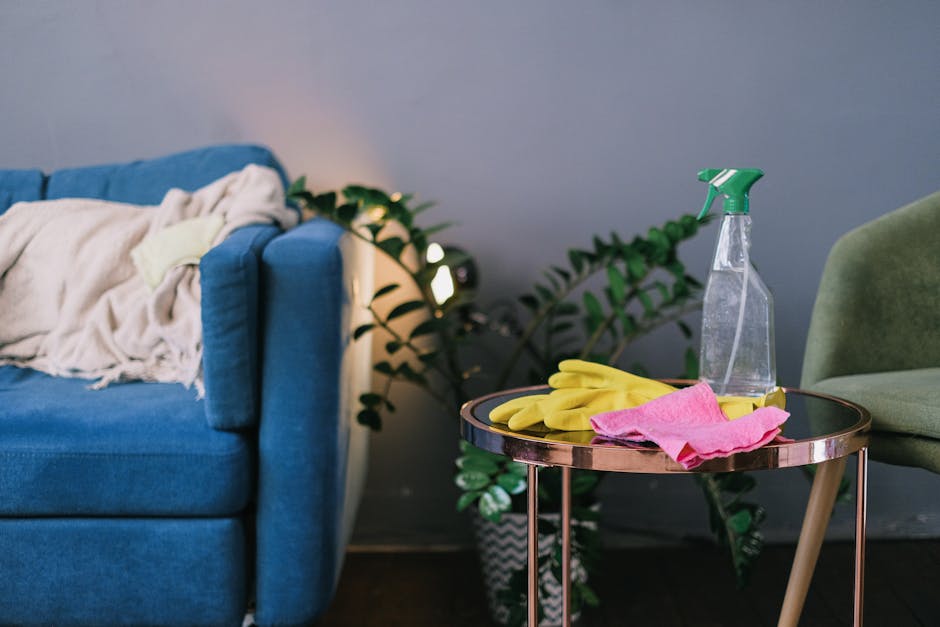
Moving out is rarely just about boxes and tape. There's the last-minute flatpack wobbling in the hall, the keys you keep putting in the wrong pocket, and that odd feeling of standing in a place that has been yours for months or years and suddenly isn't anymore. If you're preparing for a move in South Ealing, a proper South Ealing end of tenancy cleaning checklist can save time, reduce stress, and help you leave the property in the condition most landlords or letting agents expect.
This guide breaks the job into a practical, room-by-room process. It's designed for tenants who want to do things properly, but it's also useful if you're deciding whether to clean yourself or book a professional service. To be fair, a good checklist is half the battle. The other half is knowing where people usually miss a spot.
Why South Ealing end of tenancy cleaning checklist Matters
End of tenancy cleaning is about more than making a property look tidy. It's the final condition check before you hand the place back, and that matters because deposits, inspection reports, and agent expectations can all hinge on the details. A dusty skirting board, greasy extractor fan, or carpet stain in the wrong place can turn a straightforward move-out into an irritating back-and-forth. Nobody wants that on moving day, honestly.
In South Ealing, where rental homes range from compact flats near transport links to family houses on quieter streets, expectations can vary a little. Some landlords focus on overall cleanliness. Others want the place to look almost show-home ready. A checklist keeps you focused on the areas that are most likely to be checked closely: kitchens, bathrooms, carpets, windows, appliances, and the bits you stop noticing after living there for months.
There's also a practical side. When you work systematically, you waste less time. Instead of cleaning randomly and wondering if you've forgotten something, you can move through the property in a sensible order. That helps both DIY cleaners and professional teams, and it makes the whole job feel less like chaos. Which, let's face it, is welcome when you're already dealing with removals, paperwork, and address changes.
Expert summary: The best move-out cleans are not the fanciest ones; they're the most complete ones. A simple, room-by-room checklist usually beats an overcomplicated rush at the end.
How South Ealing end of tenancy cleaning checklist Works
The process is simple in principle: you inspect each room, clean from top to bottom, and finish with the high-touch and high-visibility areas. In practice, the order matters. If you mop the floor before dusting shelves, you'll probably need to mop again. If you clean the bathroom mirrors before dealing with the shower screen, you'll just create extra work. Small thing, big difference.
A proper end of tenancy cleaning checklist usually follows this rhythm:
- Prepare the property by removing belongings, rubbish, and loose clutter.
- Start with dry cleaning such as dusting, vacuuming, and wiping down surfaces.
- Move to deep-clean tasks like degreasing ovens, descaling taps, and scrubbing grout.
- Tackle fabrics and floors including carpets, rugs, curtains, upholstery, and mattresses where needed.
- Finish with detail work such as switches, handles, frames, sockets, and skirting boards.
- Inspect the property again in daylight if possible, or with strong room lighting.
Depending on the condition of the property, you may be able to handle the full job yourself. Or you may decide to bring in specialists for difficult areas such as carpet cleaning, upholstery, or stubborn staining. If you do that, it can help to compare options early and check pricing and quotes before you leave everything to the last week.
Key Benefits and Practical Advantages
The obvious benefit is better odds of passing the final inspection cleanly. But there are a few other advantages worth spelling out.
- Less stress at move-out: a checklist keeps the work manageable instead of overwhelming.
- Better time control: you can schedule cleaning around packing, removals, and handover.
- Fewer missed details: the places most people forget are already on the list.
- More consistent results: especially helpful if more than one person is cleaning.
- Stronger evidence of care: useful if there's any discussion about deposit deductions.
There's a quieter benefit too. When a property is properly cleaned, it feels easier to leave behind. A fresh-smelling kitchen, clean bathroom, and carpet free from visible marks can make the move feel complete rather than half-finished. A bit sentimental maybe, but true.
If the tenancy includes fabric items or soft furnishings, specialist services may be worth considering. For example, steam carpet cleaning can be useful for deeper floor cleaning, while upholstery cleaning and curtain cleaning can help with odours, dust, and general wear that standard vacuuming won't fully address.
Who This Is For and When It Makes Sense
This checklist is for almost anyone moving out of a rented property in South Ealing, but it's especially helpful if you are:
- a tenant preparing for a final inventory inspection
- a sharer where everyone is leaving at slightly different times
- someone moving out after a long tenancy and a lot of everyday wear
- a landlord or letting agent arranging a clear handover standard
- someone deciding between DIY cleaning and a professional clean
It makes the most sense when the property has standard move-out expectations and you want to avoid guesswork. If there are carpets, pets, food smells, limescale, or older kitchen appliances, the checklist becomes even more valuable because those are exactly the areas that tend to trip people up. The oven, for example, can look fine from the door and still be, well, not fine at all once the racks come out.
If you're dealing with a property that has heavy staining or lingering odours, it may be more efficient to bring in targeted help rather than try to solve everything with one sponge and a hopeful attitude. That's where stain removal and pet stain odour removal can make a real difference.
Step-by-Step Guidance
Here's a sensible order to follow. It's not the only way, but it tends to work well because it reduces rework and keeps you moving through the home logically.
1. Clear the property first
Remove furniture, boxes, leftover food, bin bags, toiletries, and anything else that will get in the way. Empty cupboards and drawers. Check behind beds, under sofas, and in that awkward space behind the washing machine. You know the one. The area where random batteries and dust bunnies go to hide.
2. Deal with dust from the top down
Dust shelves, light fixtures, picture rails, door tops, and skirting boards. Start high and work down so debris falls onto areas you have not cleaned yet. This small habit saves time. It also stops you from making freshly cleaned surfaces look tired again within five minutes.
3. Clean the kitchen thoroughly
The kitchen usually takes the most effort, and for good reason. Focus on:
- oven, hob, and extractor hood
- cupboard fronts, handles, and kickboards
- sink, taps, and draining area
- fridge, freezer, microwave, and dishwasher where applicable
- tile splashbacks and worktops
- inside and outside of cupboards and drawers
If you're short on time, the oven and extractor are usually the biggest wins. They're often the first things agents notice because grease, burnt-on residue, and smells are very hard to ignore. A clean sink is good. A properly cleaned oven is better.
4. Deep clean the bathroom
Bathrooms need a detail-first approach. Work on:
- toilet inside, outside, and behind the base
- sink, taps, plugholes, and pipework
- bath, shower tray, screen, and tiles
- limescale on taps and glass
- mirrors, shelves, and cupboards
- extraction fan and grouting where feasible
Use appropriate cleaning products carefully, especially on natural stone, chrome, or sealed surfaces. Aggressive scrubbing can do more harm than good. A steady hand beats brute force most of the time.
5. Move through the bedrooms and living areas
Vacuum carpets, wipe internal doors, clean handles, and dust wardrobes and shelves. If there are fitted wardrobes, check the tops and the tracks. For living rooms, pay close attention to window sills, sockets, radiators, and any marks on walls that can be cleaned safely.
If carpets look dull, flattened, or marked, a professional clean may be worthwhile. A lot of tenants underestimate how much difference the floor makes until the room is empty and every patch of wear becomes visible. For stubborn traffic lanes or deep-soil areas, carpet cleaning can be a smart final step.
6. Handle soft furnishings and fabrics
Curtains, sofas, rugs, and mattresses can hold dust and odours even when they look fine. That's partly why they're easy to overlook. If the tenancy includes them, check the care labels and judge honestly whether they need more than surface vacuuming. A room may look clean but still carry a faint smell of pets, cooking, or damp fabric after a wet winter in London.
Where fabric items need attention, relevant options include sofa cleaning, rug cleaning, and mattress cleaning.
7. Finish with the small details
Wipe light switches, door frames, bannisters, sockets, handles, and window latches. These tiny things are easy to miss and very easy to spot once the property is empty. Then do a final walkthrough with the lights on. If possible, check in natural daylight too. Smudges and dust show up differently depending on the light, which is annoying but useful.
Expert Tips for Better Results
If you want a cleaner result without wasting energy, a few practical habits help a lot.
- Work from least dirty to most dirty so you don't drag grime around.
- Keep two cloths: one for general wiping and one for sanitising or detail work.
- Use the right product for the surface rather than one all-purpose spray for everything.
- Open windows while cleaning to reduce damp smells and help drying.
- Take before-and-after photos if you want a record of the property condition.
- Check cleaning instructions for appliances before dismantling parts or soaking anything.
One underrated tip: clean when the space is empty and quiet. Music helps, sure, but a silent hour in a near-empty flat can show you what has been hidden by clutter for months. Marks on the wall suddenly become obvious. So do fingerprints around switches. Slightly annoying, but useful.
If you're unsure about a tough stain or fabric damage, it's better to stop and assess than to scrub harder. That goes for carpets, upholstery, and curtains too. For more delicate fabrics, a service such as curtain cleaning or upholstery cleaning can prevent accidental damage while improving the overall finish.
Common Mistakes to Avoid
Most move-out cleaning problems come from a handful of very normal mistakes. Avoid these and you're already ahead.
- Leaving the oven too late: it often needs soaking time, not a quick wipe.
- Skipping hidden areas: behind radiators, under appliances, and inside cupboards matter.
- Using too much product: residue can leave surfaces sticky or streaky.
- Ignoring odours: clean-looking rooms can still smell wrong.
- Cleaning carpets without proper extraction: damp patches and odour can linger.
- Not doing a final inspection: you'll miss small but important details.
Another common one: cleaning the obvious spaces and forgetting the transition areas. Hallways, entry points, and skirting boards near doors get the most scuffs. People walk past them all day and stop noticing. Then the inventory clerk notices in about three seconds. Funny how that works.
Tools, Resources and Recommendations
You don't need a mountain of equipment to do a proper end of tenancy clean, but the right basics make everything easier. A practical kit usually includes:
- microfibre cloths
- vacuum cleaner with attachments
- bucket and mop
- non-scratch sponges
- degreaser for kitchens
- bathroom cleaner for limescale and soap scum
- glass cleaner for mirrors and windows
- rubber gloves
- old toothbrush or detailing brush
For more specialised work, it may be worth considering professional support, particularly if the property has carpets, rugs, sofas, or stubborn odours. If you want to understand service choices and standards before deciding, about the company and insurance and safety are sensible pages to review. They help you judge whether a provider feels credible and careful, which matters more than glossy promises.
If sustainability matters to you during the move, it can also be worth checking recycling and sustainability. Move-out jobs often generate more waste than people expect, and even small choices can help reduce it.
Law, Compliance, Standards, or Best Practice
There isn't one universal rule that says every rented property must be cleaned to a single exact standard before handover. In practice, the tenancy agreement, inventory report, and fair wear-and-tear expectations matter a great deal. That's why it's sensible to read your agreement carefully and follow the condition described at check-in as closely as possible. If something was already worn or marked before you moved in, it should not be treated the same as a fresh stain you've added later.
Best practice in the UK rental market is usually straightforward: return the property in a clean, safe, and presentable condition, with fixtures, fittings, and soft furnishings reasonably maintained. That includes dealing with waste properly, using cleaning products safely, and avoiding damage to surfaces while cleaning. If a task requires specialist treatment, such as delicate upholstery or persistent stains, using the right method is better than forcing a quick fix.
It also helps to keep a record of your cleaning efforts. Photos, receipts, and notes can be useful if there is any misunderstanding later. That's not being dramatic; it's just sensible. And if there's ever a dispute, clarity tends to calm things down.
Options, Methods, or Comparison Table
When planning a move-out clean, you usually have three realistic options. The right one depends on the property size, your time, and the condition of the place.
| Option | Best for | Pros | Trade-offs |
|---|---|---|---|
| DIY checklist clean | Smaller properties, light wear, plenty of time | Lower cost, flexible timing, full control | Time-consuming, easy to miss detail areas |
| Hybrid approach | Busy movers, mixed condition, a few tough jobs | Balances cost and convenience, targets problem areas | Still requires coordination and some effort |
| Professional end of tenancy clean | Heavily used homes, carpets, upholstery, tight deadlines | More thorough, faster for the tenant, better for specialist tasks | Higher upfront cost than doing everything yourself |
For many South Ealing tenants, the hybrid approach is the sweet spot. You do the basic clean and packing-up tasks, then leave the difficult surfaces or stubborn areas to specialists. That way, you keep control of the process without burning out halfway through the week.
Case Study or Real-World Example
Here's a realistic example. A tenant in South Ealing is moving out of a two-bedroom flat after a two-year tenancy. The flat looks tidy at first glance, but there are a few problem areas: a greasy hob, bathroom limescale, a flattened living room carpet, and a faint pet smell near the sofa area.
They start early, two days before handover. First, they remove all items and clean the kitchen thoroughly. The oven needs more time than expected, so they leave it to soak while they wipe cupboard fronts and descaled taps. After that, they vacuum and dust the bedrooms, then do a careful bathroom clean. The carpet is still looking dull, so they arrange steam carpet cleaning for the main living area and add pet stain odour removal where the smell has settled into the fabric.
By the time of the final inspection, the flat doesn't just look cleaner. It feels fresher. The kind of fresher you notice as soon as the door opens. That difference matters. It doesn't make all move-outs perfect, but it removes a lot of avoidable friction. And that, in a move, is gold.
Practical Checklist
Use this as a final run-through before you hand back the keys.
- Remove all personal belongings, bin bags, food, and toiletries
- Vacuum and dust every room, including corners and skirting boards
- Clean internal doors, handles, switches, and sockets
- Wash or wipe marks from walls where safe and appropriate
- Deep clean the oven, hob, extractor, and kitchen sink
- Wipe cupboard fronts, inside shelves, drawers, and splashbacks
- Clean toilet, bath, shower, tiles, taps, mirrors, and bathroom fittings
- Remove limescale, soap scum, and visible mould where possible and safe
- Vacuum carpets and inspect for stains or pet odours
- Check rugs, sofas, mattresses, and curtains for visible dirt or smells
- Clean windowsills, frames, and glass where accessible
- Empty bins and remove all waste from the property
- Do a final walkthrough in good light
- Take photos as a record of the finished condition
Simple rule of thumb: if a guest would notice it straight away, the inventory team probably will too.
Conclusion
A strong South Ealing end of tenancy cleaning checklist gives you structure at exactly the moment you need it most. It helps you clean methodically, avoid silly oversights, and decide when a specialist service is worth the spend. More importantly, it helps you finish the tenancy with less drama. Moving is already a bit much; the cleaning shouldn't become the final straw.
Whether you handle the whole job yourself or bring in help for carpets, upholstery, stain treatment, or odour removal, the aim is the same: leave the property in good shape and make the handover feel smooth. That's the real win. A clean finish makes a new start feel lighter.
Get a free quote today and see how much you can save.
Frequently Asked Questions
What should be included in a South Ealing end of tenancy cleaning checklist?
It should cover every room, with extra attention on the kitchen, bathroom, carpets, appliances, doors, skirting boards, switches, and any soft furnishings listed in the tenancy. The goal is a full return to a clean, presentable condition rather than a quick surface tidy.
How long does end of tenancy cleaning usually take?
That depends on property size, condition, and whether you are cleaning alone or with help. A small, tidy flat may take a few hours, while a larger or heavily used home can take most of a day or more. If carpets or upholstery need specialist treatment, allow extra time.
Is DIY cleaning enough for a rental inspection?
Sometimes, yes. If the property is in decent condition and you have time to clean properly, DIY can be perfectly adequate. The key is thoroughness. If there are stubborn stains, heavy grease, or fabric items that need deeper care, a professional clean may be the safer option.
Do I need professional carpet cleaning when moving out?
Not always, but it can be a very sensible choice if the carpets are visibly dirty, smell stale, or have pet traffic and marks. A deep clean often makes the biggest difference in a property that has had normal everyday use for a long tenancy.
What areas do tenants most often forget?
Commonly missed spots include the tops of doors, behind radiators, inside cupboards, extractor fans, skirting boards, plug sockets, and the sides or backs of appliances. These tiny areas are easy to overlook and surprisingly easy to spot once the property is empty.
Can I be charged for cleaning if the property is only lightly dirty?
Charges usually depend on the tenancy agreement, inventory, and the condition the property is returned in. Light wear and fair use are different from actual dirt or avoidable damage. If in doubt, clean carefully and keep photos for your own records.
What is the best order to clean in?
Start by removing clutter, then dust from top to bottom, then deep clean the kitchen and bathroom, and finish with floors and detail work. That order reduces rework and stops you from cleaning the same area twice. Which, frankly, happens more often than people admit.
Should I clean before or after packing?
For best results, do most of the cleaning after packing and removing personal items. You can tidy as you go, but the final deep clean is much easier when rooms are empty. It also lets you see hidden marks and dust more clearly.
Are curtains and sofas part of end of tenancy cleaning?
If they are included in the property, yes, they should be checked as part of the handover. They may not always need full specialist treatment, but they should be clean, fresh, and free from visible marks or strong odours.
How can I avoid deposit disputes?
Follow the tenancy agreement, clean methodically, take photos, and leave a record of any professional work completed. It's also helpful to fix small issues early rather than leaving them for the final day. A careful handover usually reduces awkward questions later.
Is there a difference between end of tenancy cleaning and regular domestic cleaning?
Yes. Regular cleaning maintains a lived-in home, while end of tenancy cleaning aims to restore the property to a handover standard. That usually means deeper attention to hidden areas, stains, appliances, and anything that may be checked during the final inspection.
When should I book a cleaning service in South Ealing?
As early as you can, especially if you are moving on a weekend or at the end of the month. Booking ahead gives you more choice and less stress. It also gives time to assess whether you need extras like carpet cleaning, sofa cleaning, or mattress cleaning.